
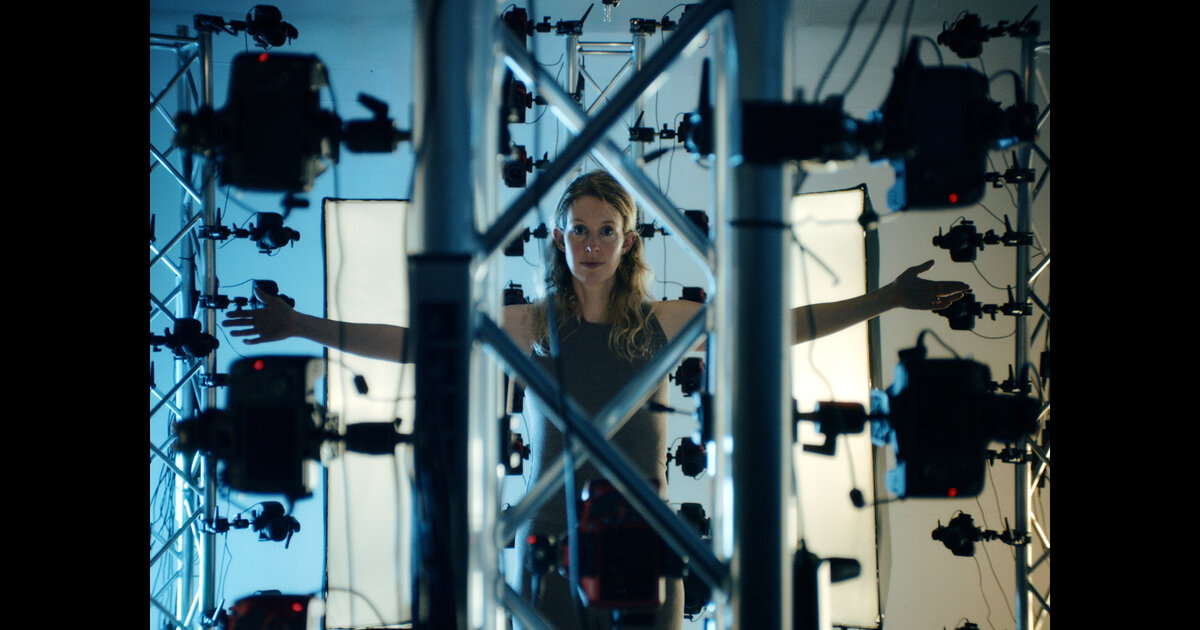
Elizabeth Holmes, Nathan Fielder, Amanda Seyfried, and a documentary that somehow manages to make you question whether you’re being manipulated while you’re watching it.
WARNING: This review contains major spoilers for You Can See Everything, including its ending.
I think You Can See Everything might genuinely be the greatest documentary I’ve ever seen. And the most frustrating thing about that statement is that I’m not entirely sure I can explain what I just watched, who I believe, or whether I’ve been played for nearly three hours.
Nathan Fielder and Lance Oppenheim have created something extraordinary with their documentary about disgraced Theranos founder Elizabeth Holmes. What starts as an almost absurd look into the lives of Holmes and her husband.
Billy Evans, becomes a fascinating psychological exercise in sympathy, manipulation, and the uncomfortable realization that you might not be nearly as good at recognizing deception as you think you are. Somehow, in the middle of all that, Nathan Fielder is still Nathan Fielder.
Nathan Fielder’s Awkward Humor Is in Rare Form
Anyone familiar with Nathan for You or The Rehearsal knows that Fielder has a remarkable ability to turn an uncomfortable conversation into something so absurd that you’re not sure whether to laugh or hide behind your hands.That awkward humor is in rare form here, but what’s remarkable is how naturally it fits into a documentary dealing with some genuinely disturbing subject matter.
One moment you’re laughing at the sheer ridiculousness of a situation, and the next you’re watching something that makes you deeply uncomfortable. Fielder never really gives you time to settle into one emotional response before introducing another.
It’s an incredibly effective way to tell this story because you spend so much of the film trying to figure out what you’re supposed to think. And just when you think you’ve figured it out, something happens that makes you reconsider everything.
The Moment I Started Feeling Sorry for Elizabeth Holmes
Let’s be clear, Elizabeth Holmes wasn’t exactly someone I expected to feel sympathy for when I walked into the theater. We’re talking about the disgraced founder of Theranos, whose fraudulent claims about blood-testing technology made her one of the most notorious figures in Silicon Valley. Yet, somehow, a bowl of scrambled eggs changed that.
There’s a scene where Elizabeth is beating eggs and Billy becomes frustrated with how she’s doing it. He takes the bowl away from her, and Nathan, being Nathan, refuses to just let that interaction pass without further examination. He really presses Billy on why he felt the need to take the bowl from her. Under that scrutiny, Billy seems to shrink into himself, eventually explaining that
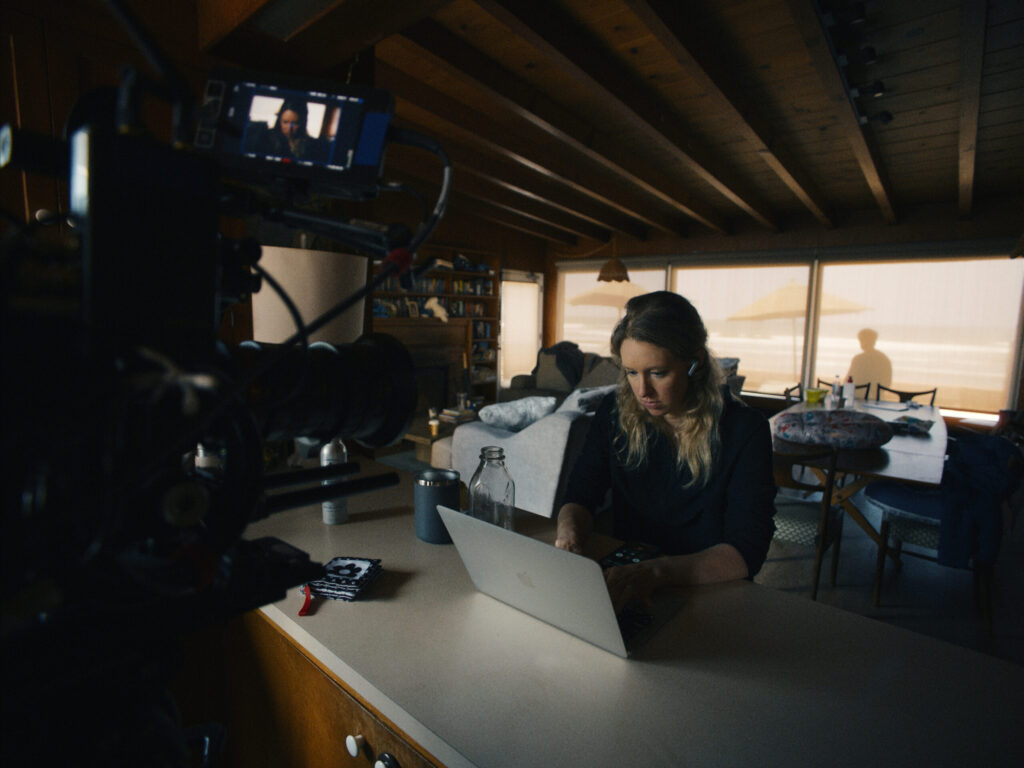
Elizabeth simply wasn’t beating the eggs hard enough. Then something even more uncomfortable happens. Elizabeth agrees with him, and Billy hands the bowl back.
It’s such a mundane interaction, but the longer Nathan questions it, the more unsettling it becomes. Why did Billy feel the need to take over in the first place? Why did he become so uncomfortable when asked to explain himself? And why was Elizabeth so quick to agree with him?
I found myself wondering whether I’d just witnessed a controlling dynamic in their relationship. More importantly, whether Elizabeth was going along with Billy because she genuinely agreed with him or because she’d learned not to challenge him. I couldn’t know the answer from that interaction alone, but it completely changed how I started viewing her.
For the first time, I wasn’t just watching Elizabeth Holmes, convicted fraudster. I was watching someone who might be experiencing manipulation herself. Once that possibility entered my mind, it became increasingly difficult to ignore. Of course, by the end of the documentary, I’d be questioning whether I’d interpreted that entire exchange correctly.
Wait, Are We Trying to Free Elizabeth Holmes Now?
As the situation involving Billy becomes increasingly bizarre, I found myself getting invested in the idea that Elizabeth might actually be a victim in this particular story. Not necessarily innocent of her crimes, but potentially a victim of manipulation within her own marriage.
At some point, the whole thing started to feel almost like a Free Britney situation. I was watching a documentary about Elizabeth Holmes and somehow finding myself wondering whether we needed to rescue her.
Let that sink in for a second.
That’s an extraordinary emotional journey for a filmmaker to take an audience on, especially when the subject is someone whose public identity has been built around deception. The film doesn’t need to explicitly tell you what to believe. It presents these interactions, allows you to form your own conclusions, and lets your investment in the story do the rest. At least, that’s how it felt to me.
Amanda Seyfried Was a Brilliant Addition
Just when the documentary risks becoming a little too exhausting or repetitive, a wild Amanda Seyfried appears. What a brilliant creative decision. Seyfried’s involvement, reenacting moments from the story, introduces an entirely different layer to the documentary. It’s entertaining, occasionally surreal, and perfectly suited to Fielder’s particular brand of filmmaking.
Her appearances also help maintain the film’s momentum. Every time you start to feel like you’ve settled into its rhythm, the storytelling changes just enough to pull you back in. But the reenactments aren’t simply there to spice things up. They also complicate the relationship between what we’re seeing, what actually happened, and how we’re interpreting it.
You’re watching a documentary about people who may be manipulating one another, presented through a combination of recorded interactions, reconstructed conversations, and performances. It’s a strange way to pursue the truth, but that’s precisely what makes it so fascinating. Seyfried ultimately becomes essential to the moment that completely changed how I interpreted the film.
That Final Prison Conversation Changed Everything
By the time Nathan makes his final visit to Elizabeth in prison, I’d developed a very different opinion of her than the one I walked into the theater with. I had spent much of the documentary questioning Billy’s behavior and worrying about how much influence he might have over her.
Then we get that final conversation, conveyed through Amanda Seyfried, and suddenly the entire narrative is thrown into question. The possibility emerges that Elizabeth may have orchestrated far more of this situation than we’d been led to believe.
In particular, there’s the question of Billy demanding money for participation in the documentary. What if that wasn’t simply Billy acting independently? What if it was a way for Elizabeth to control the situation while keeping her own hands clean? Then there’s the fact that Elizabeth doesn’t really turn against Billy.
Earlier in the film, I might have interpreted that as further evidence of a controlling relationship. Perhaps she was so manipulated that she couldn’t bring herself to challenge him but, after that final conversation, another possibility becomes impossible to ignore.
What if she’s in on it? What if the behavior that made me sympathetic to her was part of a much larger performance? I genuinely don’t know and that’s what makes the ending so effective. The documentary doesn’t just make you question Elizabeth Holmes. It makes you question the conclusions you’ve spent the previous three hours forming about her.
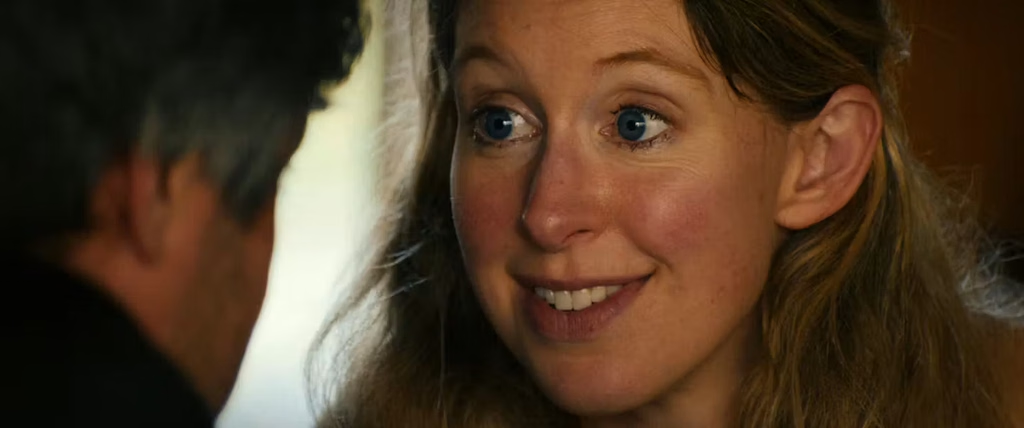
Was I Being Manipulated the Entire Time?
This is the part of You Can See Everything that I haven’t been able to stop thinking about. I walked into this movie knowing Elizabeth Holmes had been convicted of fraud. I understood why she was such a controversial figure. Yet, over the course of the documentary, I found myself sympathizing with her, worrying about her safety, and questioning whether someone needed to intervene on her behalf.
Then the ending made me wonder whether I’d been manipulated into feeling all of those things. Here’s the maddening part: I still can’t say for certain that those feelings were wrong. Maybe Elizabeth really is being controlled by Billy. Maybe she’s manipulating him, Nathan, and the audience. Maybe the truth is somewhere in the middle.
Even the documentary itself becomes part of that uncertainty. How much of my interpretation came from what actually happened, and how much came from the way Fielder and Oppenheim chose to present it? The film left me questioning the people on screen, the filmmakers behind the camera, and my own ability to recognize when someone is manipulating me.
That’s a remarkable accomplishment.
My Final Thoughts on You Can See Everything
What makes You Can See Everything so exceptional isn’t simply its access to Elizabeth Holmes or the absurd situations Nathan Fielder finds himself in. It’s the way all of its elements work together.
Fielder’s awkward humor, the emotional unpredictability, Amanda Seyfried’s reenactments, the increasingly uncomfortable dynamics involving Billy Evans, and that devastatingly ambiguous ending all contribute to an experience unlike anything I can remember seeing in a documentary.
I laughed. I felt sorry for someone I never expected to feel sorry for. I worried about her safety. I became angry at the possibility that I’d been manipulated. And then I found myself wondering whether even that anger was justified.
I left the theater without a satisfying answer about Elizabeth Holmes, and I think that’s exactly why the movie has stuck with me. Was she the victim of an elaborate manipulation, the architect of one, or somehow both? I have absolutely no idea.
But I do know Nathan Fielder and Lance Oppenheim made one hell of a documentary.
And in the immortal words of Tiger King:
“Girl, it’s all corrupt.”
–Tiger King